
 EN
EN  Español
  French
  German
  Italian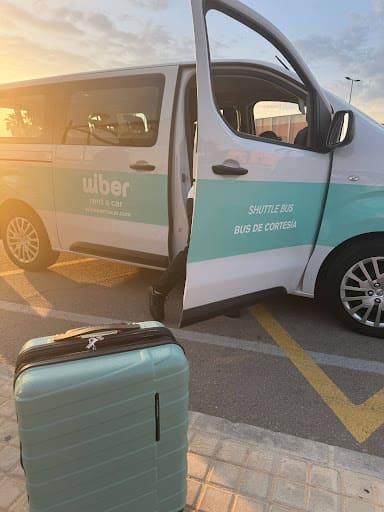
How to Plan the Perfect Trip: A Guide to Travelling Without Unwanted Surprises

Wiber Rent A Car
Planning a trip should not feel like moving house: emotionally stressful. But let’s be honest: between flights, suitcases, documents, bookings, schedules, budget, transport and that “I’m definitely forgetting something” feeling, organising a holiday can turn into a small test of endurance.
The good news is that the perfect trip is not the one that goes exactly as you imagined. It is the one that is well prepared enough for unexpected problems not to ruin your plans.
In this guide, we explain how to plan a trip in a practical, realistic way, without falling back on the usual generic advice. We’ll cover dates, budget, documents, luggage, bookings, car hire, flexible itineraries, common mistakes and small details that often make a big difference. Because travelling better starts long before you close the front door.
1. Before you book: decide what kind of trip you want
It sounds obvious, but many people start looking at flights before they even know what kind of trip they need.
Planning a relaxing getaway is not the same as organising a family holiday, a road trip, a beach break, a week of cultural sightseeing or a big multi-destination journey. Each type of trip needs a different pace, budget and logistics.
Before booking anything, ask yourself:
- Do you want to relax or see as much as possible?
- Are you travelling with children, as a couple, with friends or on your own?
- Would you rather move around every day or have a fixed base?
- Do you want to improvise or have everything booked in advance?
- Is your priority saving money, comfort, experiences or time?
This step helps you avoid one of the most common travel-planning mistakes: choosing a destination on impulse and then realising it does not suit the way you like to travel.
If you are planning the trip with other people, have a quick chat before you start searching. Each person can say three things they would like to do and one they would rather avoid. It is much easier to manage expectations at the beginning than argue about them halfway through the trip.
2. Choose your dates carefully: don’t look at price alone
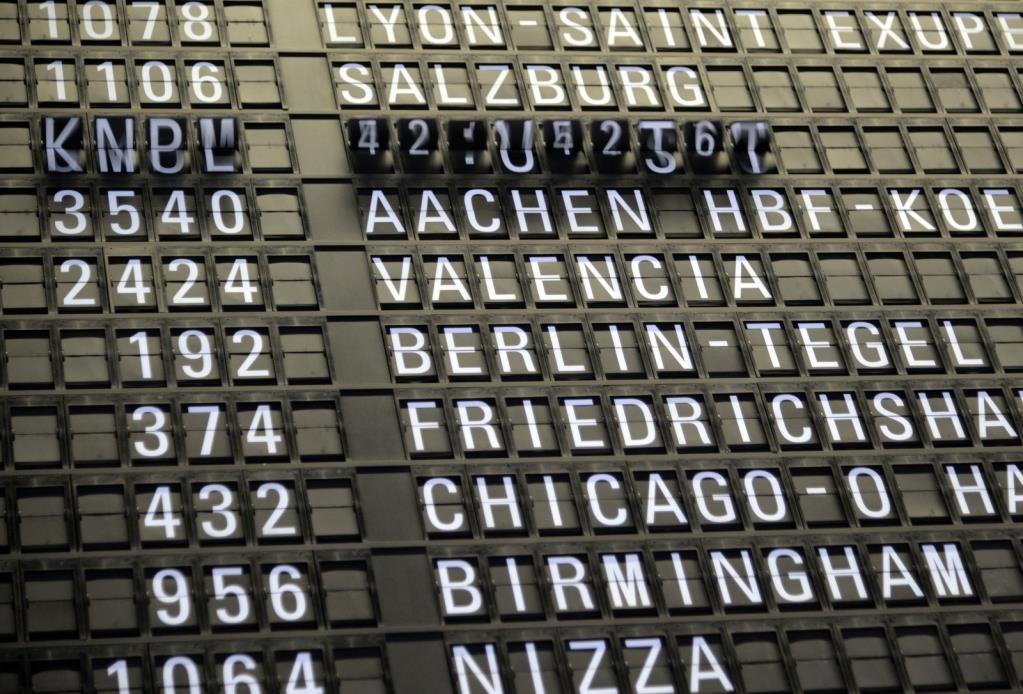
When we think about dates, we almost always focus on the same things: cheap flights and available days off. But other details can completely change the experience.
Before finalising your dates, check:
- Local public holidays at your destination.
- High, shoulder or low season.
- Daylight hours.
- Actual weather conditions, not just average temperatures.
- Events, fairs or festivals that could push prices up.
- Closing days for museums, restaurants or attractions.
- Expected traffic if you plan to travel by car.
A useful trick: look up your destination on Google Maps and check restaurants, beaches, car parks or tourist attractions at the times you plan to visit them. It is not perfect, but it can help you understand whether an area tends to get crowded.
It is also worth thinking about your arrival and departure days. Landing at 23:00 may seem like a good idea because the flight is cheaper, but it might mean paying for a night-time taxi, losing your first evening or dealing with a complicated pick-up. Sometimes saving €40 on the flight ends up costing you €80 in logistics.
3. Budget: calculate the trip you will actually take

One of the biggest mistakes in trip planning is only calculating the big-ticket items: flights, hotel and car hire. But the real budget is in the details.
As well as transport and accommodation, include:
- Meals and coffees.
- Fuel, tolls and parking.
- Checked luggage.
- Tickets and visits.
- Travel insurance.
- Transfers.
- Tips, tourist taxes and local extras.
- Small purchases.
- Unexpected expenses.
Create three columns: essential, recommended and treat. That way, you can cut back without ruining the trip.
For example, a must-do excursion stays in the budget. A special dinner might count as a treat. A centrally located car park may be worth it if it saves you a 30-minute walk with suitcases or children.
The key is not to spend less on everything, but to spend more wisely.
4. Documents: boring until you actually need them
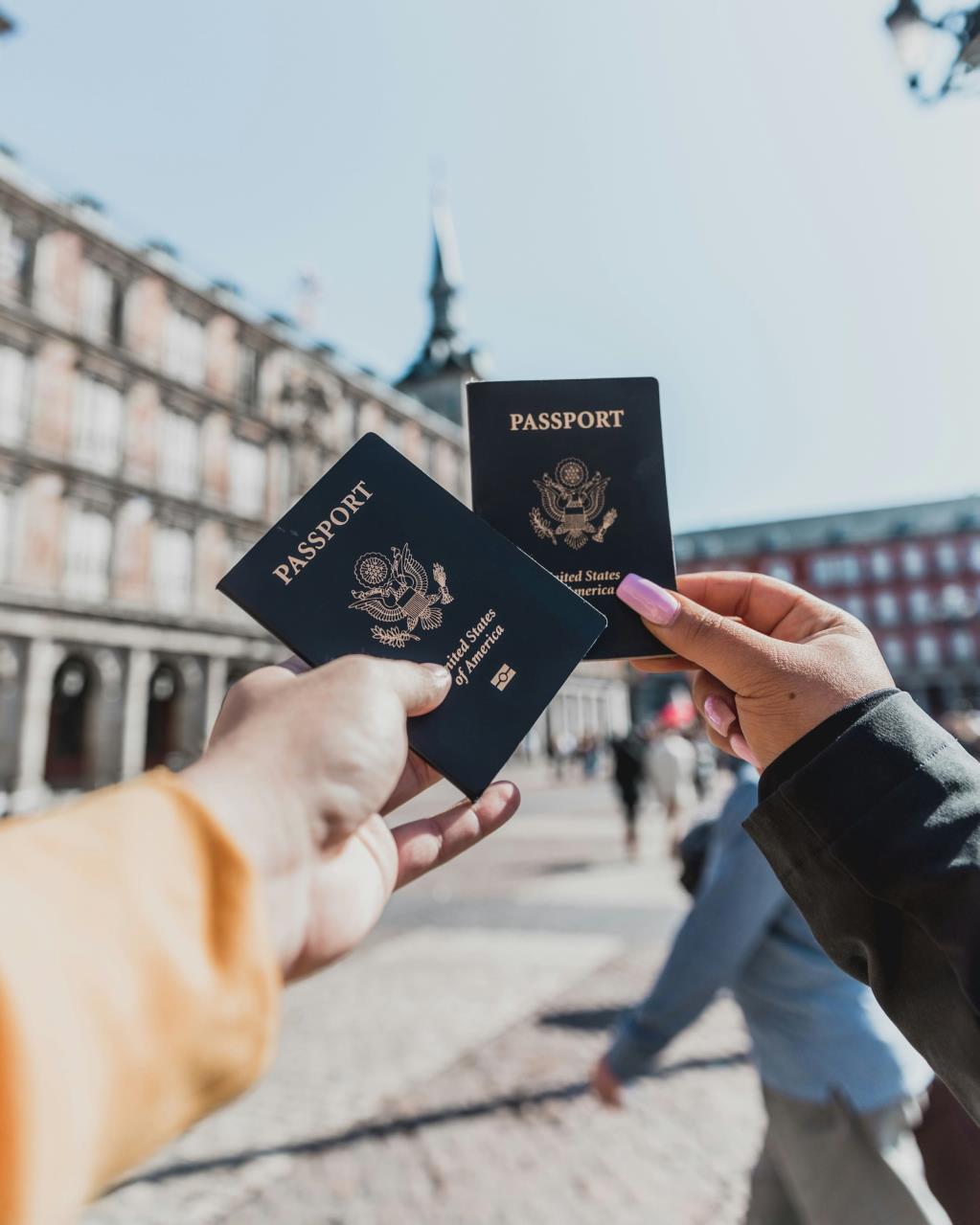
Documents are the part of the trip nobody wants to check, but they can ruin everything if something is not in order.
Check in advance:
 A valid national ID card or passport.
- A valid driving licence. Depending on the country you are travelling from, you need to check whether your country has an agreement with the DGT and whether you need an International Driving Permit.
- Working bank cards.
- Medical insurance or a European Health Insurance Card, where applicable.
- Downloaded booking confirmations.
- Tickets and boarding passes.
- Any special permits required if you are travelling outside the EU.
- Documents for minors, if they are travelling with you.
Create a digital folder with everything and save it for offline access too. Keep another copy in your email or cloud storage. And yes: even if it feels old-fashioned, a paper copy of the most important documents can save you if your battery dies.
If you plan to drive during your holiday, check the requirements for hiring a car. It is one of those things worth clarifying before you arrive, especially if you are travelling from another country or plan to pay with a specific card.
5. Bookings: confirm what matters and leave room for the rest
There are two types of travellers: those who book everything and those who book nothing. The sweet spot is usually somewhere in between.
Book in advance anything that could shape the rest of the trip:
- Accommodation.
- Car hire.
- Activities with limited capacity.
- Special restaurants.
- Tickets for highly popular monuments.
- Ferries, trains or important transfers.
- Experiences that are a key reason for the trip.
But do not fill every hour of your calendar. Leaving free time is a smart way to travel. It gives you room to rest, change plans because of the weather, discover something unexpected or simply stay longer somewhere you have loved.
A common mistake when thinking about how to plan a travel itinerary is turning your holiday into a work schedule. If every day has eight stops, any delay starts to feel like a failure.
A better approach: two main plans per day and a list of optional extras.
6. Transport: think about how you will get around, not just how you will get there

Many people organise the flight and hotel but leave one key question until the end: how am I going to get around once I am there?
Transport can completely change a trip. In a large city, walking, the metro or taxis may be enough. But if you want to discover beaches, villages, viewpoints, coves, nature routes or several destinations in just a few days, hiring a car gives you a level of freedom that is hard to match.
Before deciding, think about:
- Does your accommodation have parking?
- Are you going to visit remote areas?
- Are you travelling with luggage, children or beach gear?
- Do you want to make several stops in one day?
- Does public transport serve those places well?
- Do the timetables work for you?
With Wiber, you can book your car hire in Spain in destinations such as Alicante, Málaga, Mallorca, Ibiza, Valencia and Seville, with an experience designed to reduce hassle and make the start of your trip easier.
And if you are unsure which vehicle best suits your route, you can check this guide to types of hire car. A city break with light luggage is very different from a week-long family holiday or a multi-stop road trip.
7. How to plan a travel itinerary without turning it into a chore
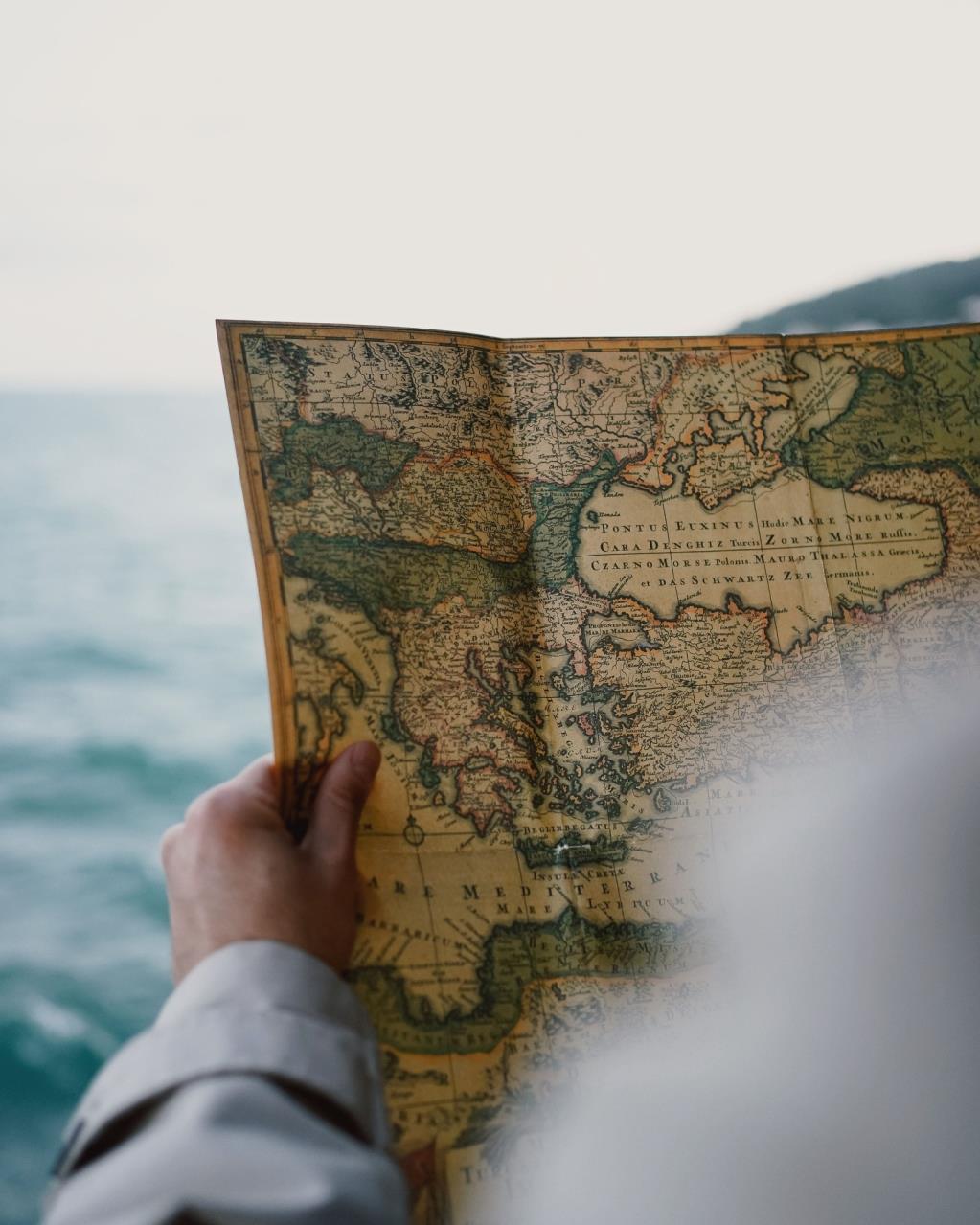
Knowing how to plan a travel itinerary is one of the keys to enjoying your trip more. The secret is to organise, not overload.
Start by marking all the places that interest you on a map. Then group them by area. This will stop you from crossing the city or province several times for no reason.
A good itinerary should include:
- One main plan in the morning.
- One main plan in the afternoon.
- Time to eat without rushing.
- Buffer time for transfers.
- Proper downtime.
- Alternatives in case it rains or gets too hot.
- Some time with no plan at all.
It is also worth checking real travel times. Do not rely on kilometres alone. A mountain road, access to a cove or a busy historic centre can make 20 kilometres feel much longer.
A simple trick: for every three days of travel, leave half a day flexible. You can use it to return to a favourite beach, sleep in, visit somewhere recommended by a local or simply do nothing. That free space often ends up becoming one of the best parts of the trip.
8. Packing: take fewer things, but choose them better
.jpg)
The question is not just what to pack for a trip, but what not to take.
A well-packed suitcase is not one that is full “just in case”, but one that suits the trip you are actually taking.
Before packing clothes, check:
- Expected weather.
- Type of activities.
- Whether there will be a washing machine or laundry nearby.
- Footwear you will need.
- Your airline’s baggage rules.
- The actual space available in the car.
- Medication or products that may be difficult to buy there.
Your clothes should work well together. If an item only works for one very specific plan, think twice before packing it. And do not underestimate footwear: uncomfortable shoes ruin more trips than a disappointing excursion.
Things people often forget:
- Phone charger.
- Plug adaptor, if needed.
- Sunglasses.
- An extra swimsuit.
- A bag for dirty laundry.
- A reusable water bottle.
- A small first-aid kit.
- Sun cream.
- Copies of documents.
- Some cash.
- Bags for separating shoes or wet clothes.
And one very practical tip: leave some free space. You always come back with something.
9. Common mistakes when planning a trip

Planning a trip also means knowing what to avoid. These are some of the most common mistakes:
- Trying to see everything.
A trip does not get better just because you add more stops. It gets better when you have time to enjoy them. - Booking based on price without checking the location.
A cheap hotel far from everything can end up costing you more in time, transport and energy. - Not checking opening times.
Closed museums, restaurants with limited kitchen hours, beaches with restricted access or out-of-hours pick-ups can complicate your day. - Not reading the terms and conditions.
Especially for car hire, accommodation, luggage and cancellations. - Not having a Plan B.
Weather, delays and changes happen. Having alternatives is not pessimistic: it is smart travelling. - Not allowing for tiredness.
The first day is not always the best time for your most demanding plan. Between flights, luggage and transfers, it is usually better to start gently. - Planning a beautiful route that is not realistic.
If the map says you can fit in five stops, perhaps you can. But that does not mean you should.
10. How to plan a big trip: think in stages
If you are wondering how to plan a big trip, the key is to break it down into stages. Do not try to sort everything out in one afternoon.
You can organise it like this:
- Stage 1: the big picture.
Destination, dates, duration and travel style. - Stage 2: main logistics.
Flights, accommodation, transport and documents. - Stage 3: itinerary structure.
Areas, days, distances and priorities. - Stage 4: important bookings.
Activities, restaurants, visits and experiences. - Stage 5: final details.
Packing, check-in, documents, apps, schedules and money. - Stage 6: room for the unexpected.
Plan B, useful phone numbers, insurance and flexibility.
The difference between an improvised trip and a well-organised one is not about controlling everything. It is about having the important things sorted so you can improvise better.
11. Unexpected problems: how to reduce them without obsessing
You cannot avoid every unexpected problem, but you can reduce its impact.
Before you leave, save:
- The accommodation’s phone number.
- The car assistance number, if you are hiring a car.
- The exact pick-up and drop-off address.
- Reservas descargadas.
- Locations of nearby car parks.
- Petrol stations near the drop-off point.
- Copies of documents.
- Insurance details.
- Emergency contact details.
It is also a good idea to leave extra time for pick-ups, visits and flights. Travelling to the minute may seem efficient until traffic builds up, there is a queue or your GPS decides to take you on the scenic route.
And one important thing: do not turn every change into a problem. Sometimes the best restaurant was not on your list, the best beach appears by chance and the best memory is created precisely when the plan changes.
Final checklist for planning a trip without unnecessary surprises

Before you leave, check this list:
- Dates confirmed.
- Flights, trains or main transport booked.
- Accommodation confirmed.
- Hire car booked, if needed.
- Valid documents.
- Driving licence checked.
- Valid bank card.
- Travel insurance arranged or checked.
- Booking confirmations saved for offline access.
- Itinerary organised by area.
- Plan B for bad weather or delays.
- Estimated budget.
- Luggage suited to the destination.
- Chargers and adaptors.
- Basic first-aid kit.
- Sun cream and sunglasses.
- A small amount of cash.
- Important addresses saved.
- Pick-up and drop-off times checked.
- Free space in your suitcase.
Plan your trip better and enjoy it from day one
Organising a holiday is not about having everything under control. It is about making good decisions in advance so that, when the time comes, you can enjoy more and worry less.
The perfect trip is not one with no unexpected problems. It is one with enough flexibility, clarity and solutions.
So when you think about how to plan a trip, do not start with the destination alone. Start with yourself: how you want to travel, the pace you need, what really matters to you and what you are happy to leave open.
Plan the essentials. Book what matters. Leave room for the unexpected.
And if your trip includes roads, beaches, villages, airports or multi-stop routes, having a car can turn a good plan into a great trip.